
On the first day of the week, Bitcoin dropped sharply to $79,074 after reaching an intraday high of $80,594 during Asian hours. This move marked one of the highest levels the cryptocurrency market has seen since the beginning of the year. However, in the short-term turnaround, the effect of the escalating geopolitical tension in the Middle East came to the fore.
Tensions escalate between Iran and the USA
Iran’s semi-official Fars news agency claimed that a United States patrol boat was hit by two missiles near Jask Island when it did not leave Iranian territorial waters. The news claimed that the US warship did not heed Iranian warnings. Following the incident, a sudden rise in oil prices was observed; The barrel price of Brent oil increased by over 5% and briefly exceeded $113.
The US government made a statement on the issue in a short time and stated that the incident did not reflect the truth and that no American ship was hit. While the initial reactions in the markets eased after the denial from the USA, the selling pressure on Bitcoin continued. Analysts point out that investors are pricing in concerns about the relatively fragile ceasefire.
How have other members of the market been affected?
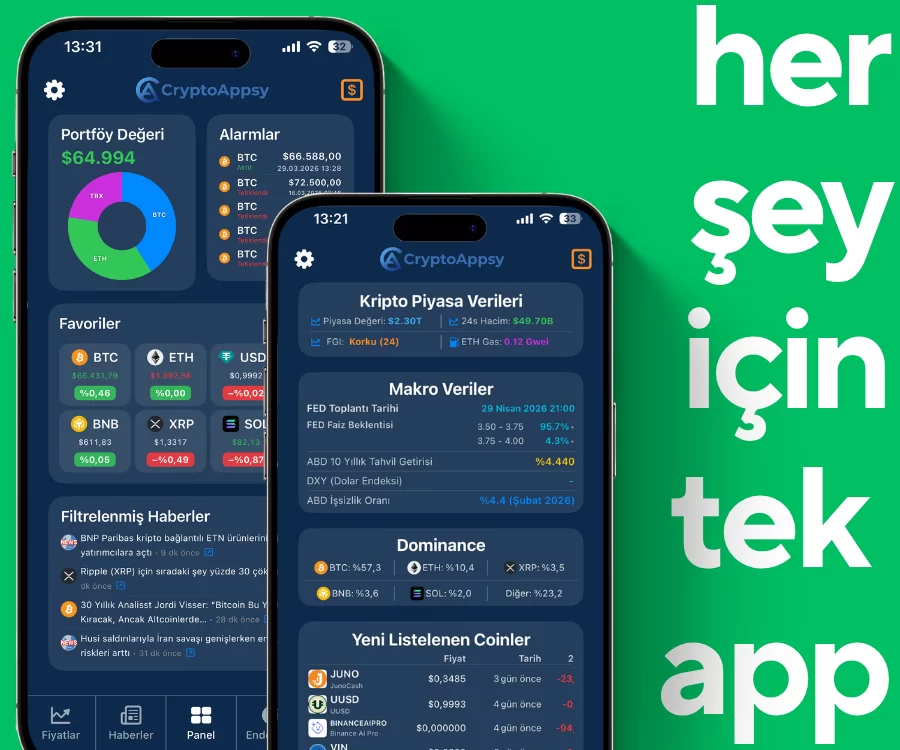
Despite the decline in Bitcoin, it managed to remain in positive territory even as the market’s other leading assets retreated from intraday highs. While Ether found buyers at $ 2,341, it increased by 1.2% in the 24-hour period; It reached $2,368 during the day. Solana traded at $84.08 and showed limited gains. XRP fell to $1.40. While BNB price was traded at $623, Dogecoin maintained its gains throughout the day, rising by 2.3% to $0.1102. Dogecoin’s weekly performance attracted attention with 12.1%. CryptoAppsy According to data, the highest intraday price in Bitcoin was recorded as $ 80,594.
Background: New military moves to the Strait of Hormuz
It seems that US President Donald Trump’s latest statement on the Truth Social platform was effective in increasing geopolitical tension. Trump announced that the US military will begin protecting ships stuck in the Strait of Hormuz as of Monday. Within the scope of this operation called Project Freedom, destroyers with guided missiles, aircraft and unmanned aerial vehicles were assigned.
In its response, Iran announced that it had redefined its control area in the strategic strait and expanded its borders to Fujairah. The Tehran administration stated that it would regulate maritime traffic in the region regardless of military operations by the United States.

The USA flatly rejected the allegation of an attack on its ships; However, the markets showed a cautious outlook regarding the sustainability of the ceasefire and there was selling pressure in Bitcoin.
Bitcoin’s upward movement appeared to be supported by the compromise on stablecoin returns within the scope of the “Clarity Act” announced in the US Senate on Friday. In the market, which started the week optimistically, it is observed that geopolitical tension is quickly reflected in the pricing.
In particular, Bitcoin exceeding $80,000 during the day led to the liquidation of a $301 million short position. Possible new developments or additional statements by the USA that will re-evaluate the issue are expected to determine the direction in the market.