
Bitcoin (BTC) It exceeded 78 thousand dollars due to claims that Iran made a new offer, but could not reach 79 thousand dollars. Altcoins continue the day with gains, albeit weak. PlanB, which left its mark especially on the last quarter of 2021 and became a laughing stock in 2022, shared its final evaluation. So why can’t Bitcoin rise?
PlanB Bitcoin review
BTC closed April at $76,310. The S2F model that PlanB adapted to Bitcoin is quite popular and it correctly predicted the monthly targets at the end of 2021 accordingly. However, the analyst who shared the chart below as April closed acknowledged that the signals were mixed, at least for the short term.
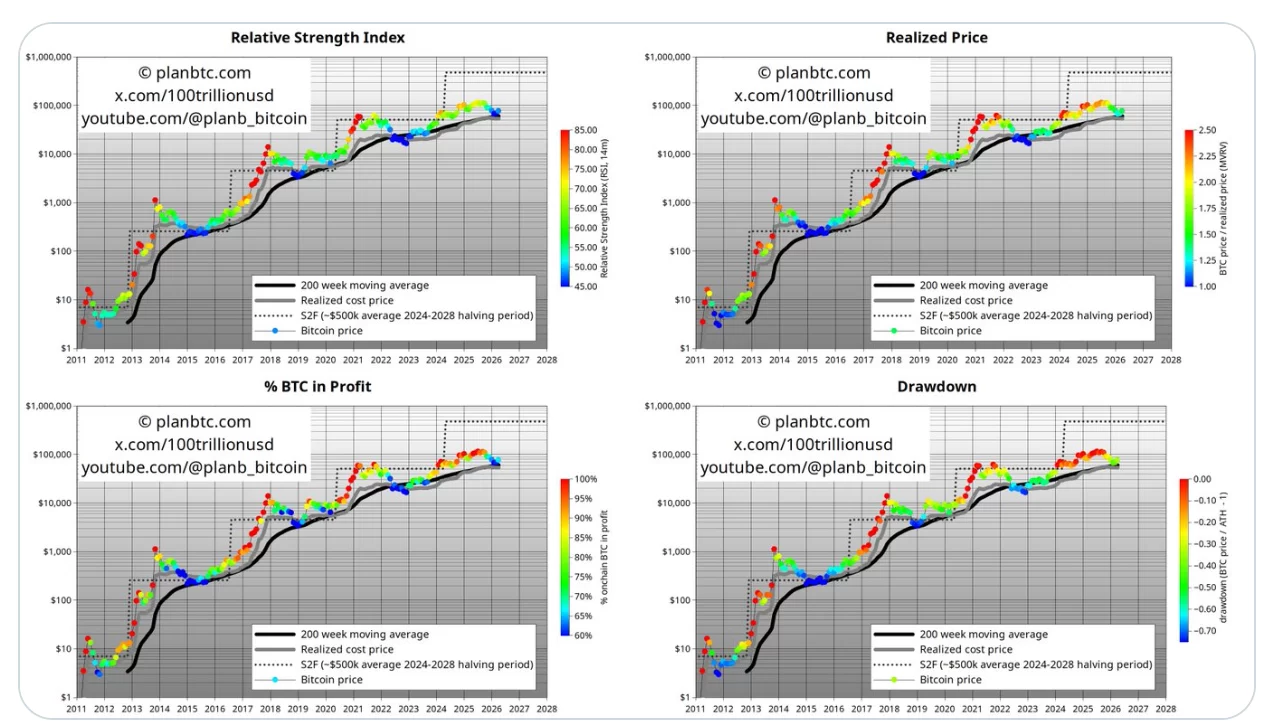
“BTC will rise in the long term (depreciation + scarcity) but there are mixed signals in the short term:
The 2 charts on the left show that RSI and %_BTC_in_profit are already at lows -> Will BTC rise?
The 2 charts on the right show that the Real Price and Drawdown are not at the bottom yet -> Will BTC fall?”
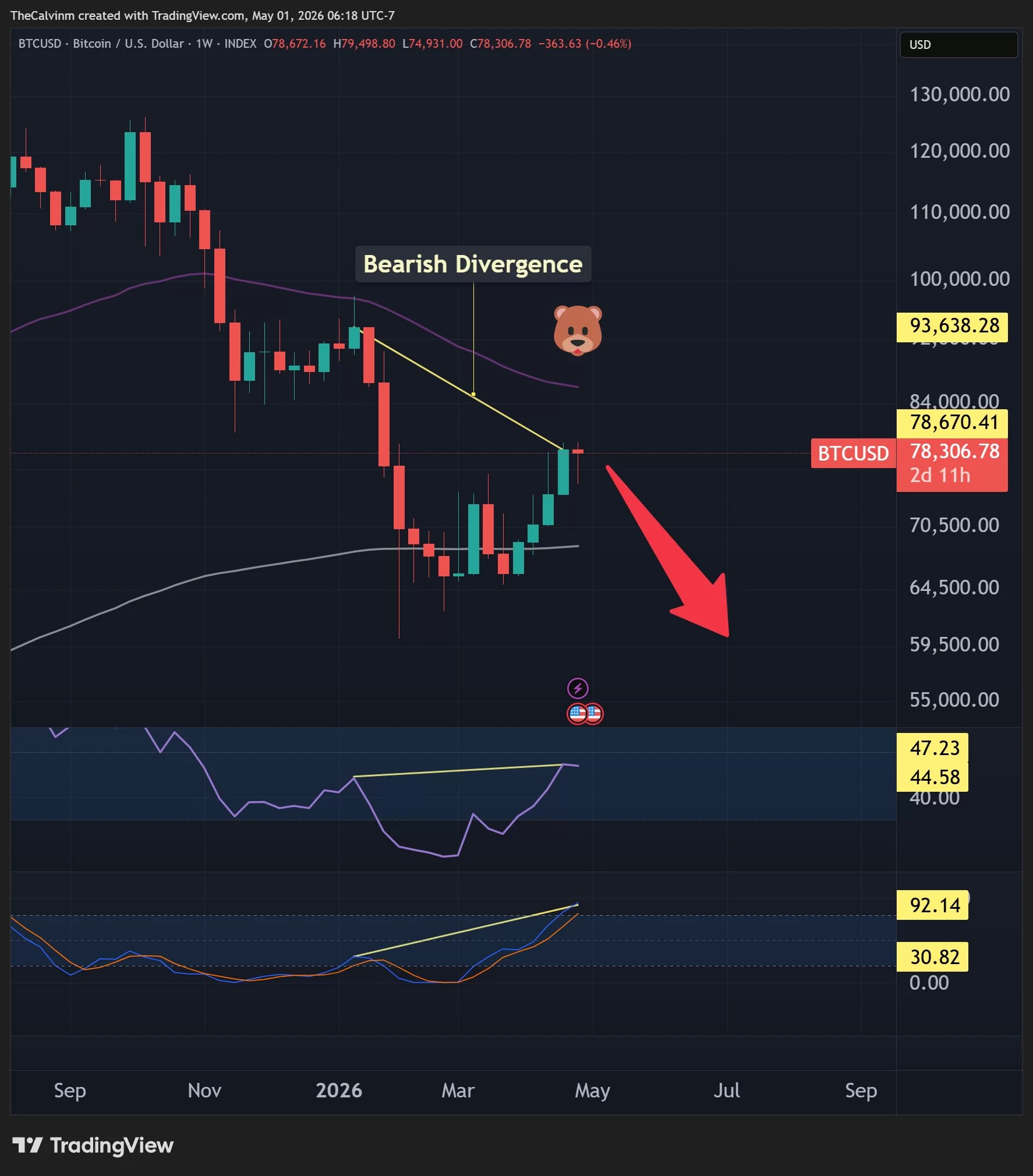
But many analysts are not so undecided. Many investors who share charts like the one below make confident statements that we will see another round of decline. Despite the liquidations on the ETH front, short positions are dominant and they believe that the same thing will happen again since they have been making easy money by short selling for months. Time will show who is right.

Why doesn’t Bitcoin decline end?
There are those who argue that BTC has entered a new phase, as Bitcoin has recovered since February 6 and is currently up nearly 30%. However, Darkfost argues that it is still too early to tell. The popular on-chain analyst believes that although BTC has recovered somewhat, the risk of decline is still not eliminated as demand remains quite weak.

As a result, apparent demand (30-day total) is still negative at -44,700 BTC. However, this is a clear improvement compared to the -89,000 BTC observed in early April. In other words, investor demand is still very weak, but gradual improvement should not be ignored.
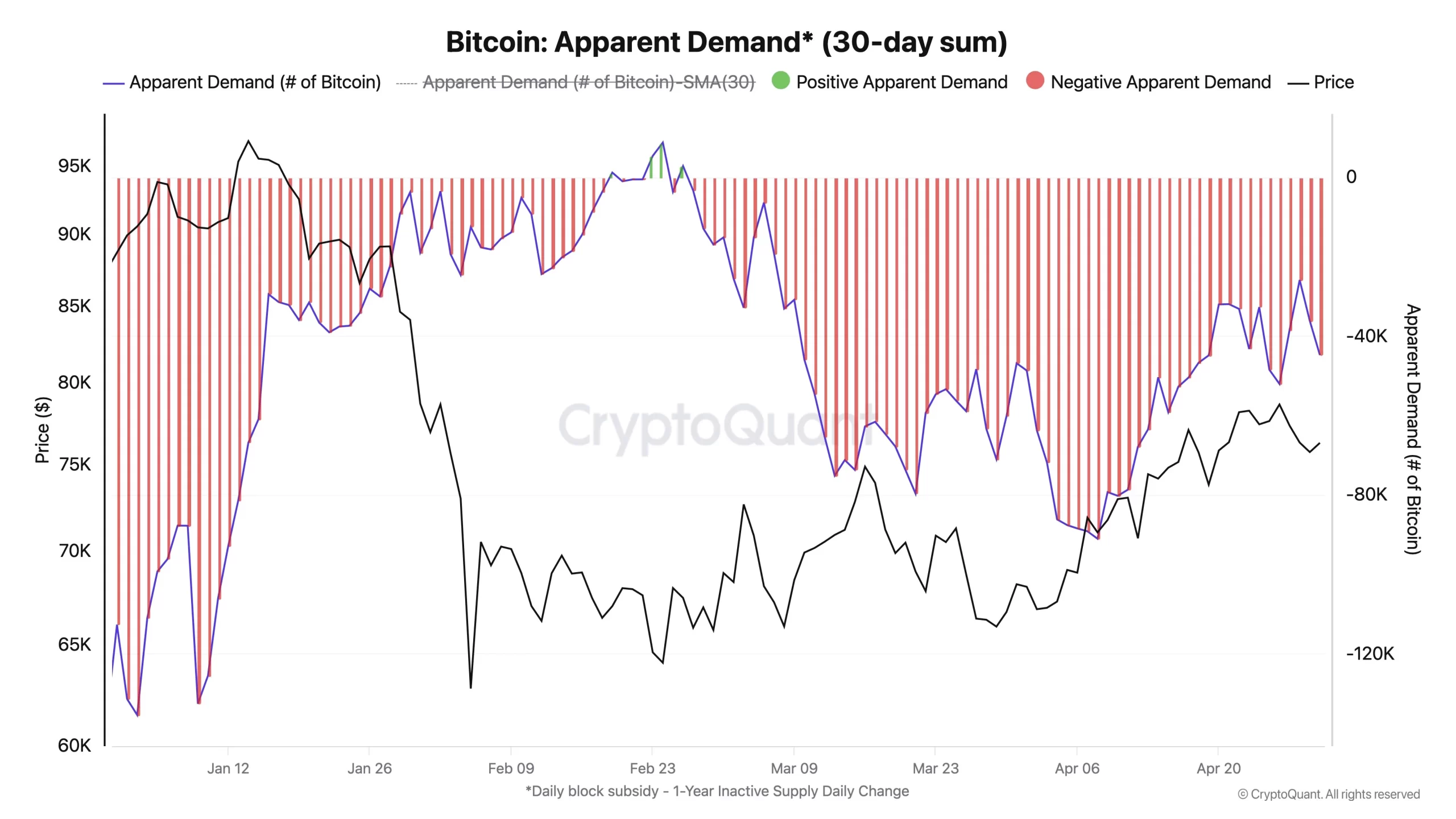
“Since the beginning of the year, apparent demand has remained consistently negative. I exclude the brief positive shift at the end of February, as this was not driven by a real demand increase, but by a sharp decline in BTC issuance. This was mainly due to a significant decline in mining activity associated with severe weather conditions in the United States at the beginning of the year.”
-In this context, apparent demand, new BTC It is calculated as the difference between issuance and the amount of supply that remains inactive for more than one year. In other words, it helps predict whether structural accumulation is sufficient to absorb newly created supply. –
However, there are some early signs of improvement in the trend. However, at this stage, a more significant recovery in demand is still needed to sustainably support Bitcoin’s recovery.”