



Cryptocurrency markets started the new week with relatively limited losses despite the increasing tension in the Middle East over the weekend. It is noteworthy that the Bitcoin price, in particular, responds more resiliently to geopolitical developments in the region compared to both oil and stocks.
Geopolitical risk and its impact on markets
After the US Navy seized an Iranian ship over the weekend, the Tehran administration has tightened control over the Strait of Hormuz again. These steps brought the war risk premium, which the markets had reduced for three weeks, back to the agenda. After Iran announced that the strait was “fully open” on Friday, the S&P 500 index saw its historical close and there was serious optimism in the emerging markets. However, new developments affected both energy prices and global risk appetite again.
While Brent oil rose to $95.50 a barrel, European natural gas futures attracted attention with a sharp increase of 11%. In the US, S&P 500 futures are down 0.6%, while European stock indexes expect losses of 1.2% at the open. The gold price decreased by 0.8% to $ 4,790 and the dollar has moved towards safe haven status again.
The latest situation in Bitcoin and cryptocurrencies
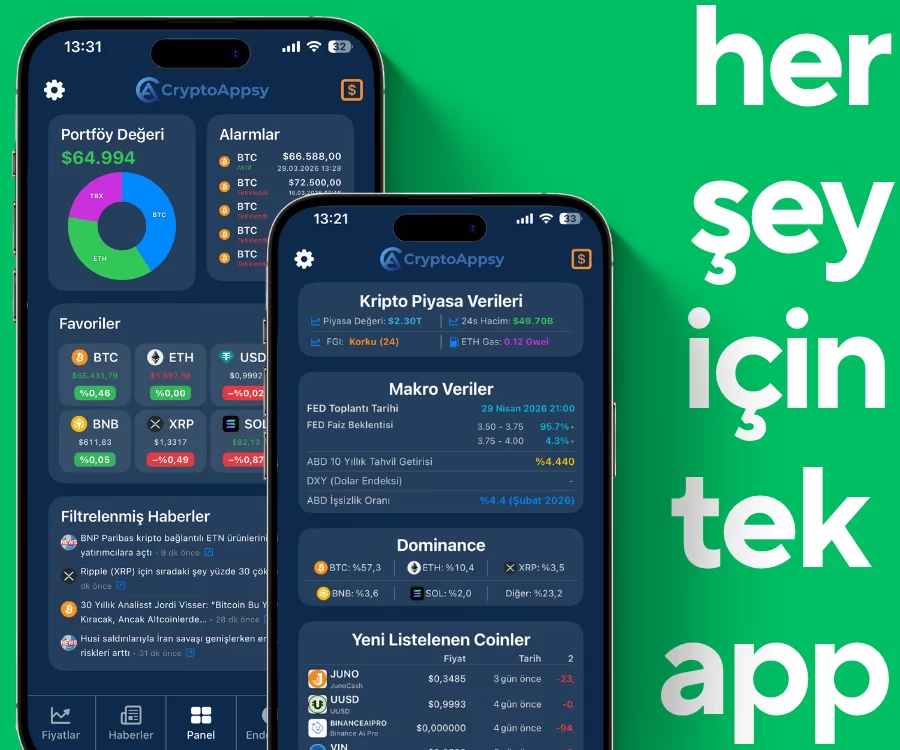
Bitcoin traded at $74,335 on Monday morning. It fell 1.6% in the 24-hour period but rose 4.8% on a weekly basis. According to CryptoAppsy data, Bitcoin spent both the weekend when volatility increased and the latest developments in the Middle East more calmly than traditional markets.
Moderate losses stand out in other major cryptocurrencies. Ether fell 2.6% to $2,272, Solana dropped 1.5%, while BNB price remained stable at $618. While the ten largest cryptocurrencies overall turned slightly negative, none of these losses exceeded 3%.
“This is the fourth major Iran-related risk that crypto has absorbed since the conflict began, and the extent of the sell-off has narrowed noticeably. Previous tensions had seen much sharper declines in Bitcoin; now price reactions are weakening relative to oil and stocks.”
The divergence between crypto and traditional markets
Analysis shows that the impact of geopolitical risks on prices in cryptocurrency markets has decreased. It is thought that the part of the market participants who are considering selling due to news about Iran either sold in advance or that spot ETFs created a more solid base in the market. Thus, a new balance has been established against the weekend volatility caused by futures transactions in previous periods.

Another important data that attracts attention in the markets is whether the US 10-year bond interest rate will remain at 4.27% and how the strength of the dollar will affect the Bitcoin price. It seems possible that the correlation with stock markets can be broken, especially on days when geopolitical factors come to the fore.
It is stated that if Bitcoin maintains the $ 74,000 level during the European opening and the situation in the Strait of Hormuz worsens, the asset will strengthen as a “geopolitical shock absorber” with new data. On the other hand, in the scenario of the price falling below $ 73,000 in a new headline about Iran, the thesis of resistance to these tremors may become controversial.







