
After the most popular DeFi protocol of the Solana network was hacked, there has now been a new attack. Cryptocurrency investors have not seen such major hacking attacks for a while, but now another major attack is happening before one is forgotten. While AAVE experienced a sudden decline, the size of the loss exceeded $200 million.
Kelp DAO hack incident
Aave The Kelp DAO attack, which caused the rsETH markets on V3 and Aave V4 to be frozen, led to the exploitation of rsETH. The attacker mined rsETH, borrowed ETH against it, and concealed the funds using Tornado Cash. While AAVE dropped 10% after the attack, ETH price continues the day with a 3% loss.
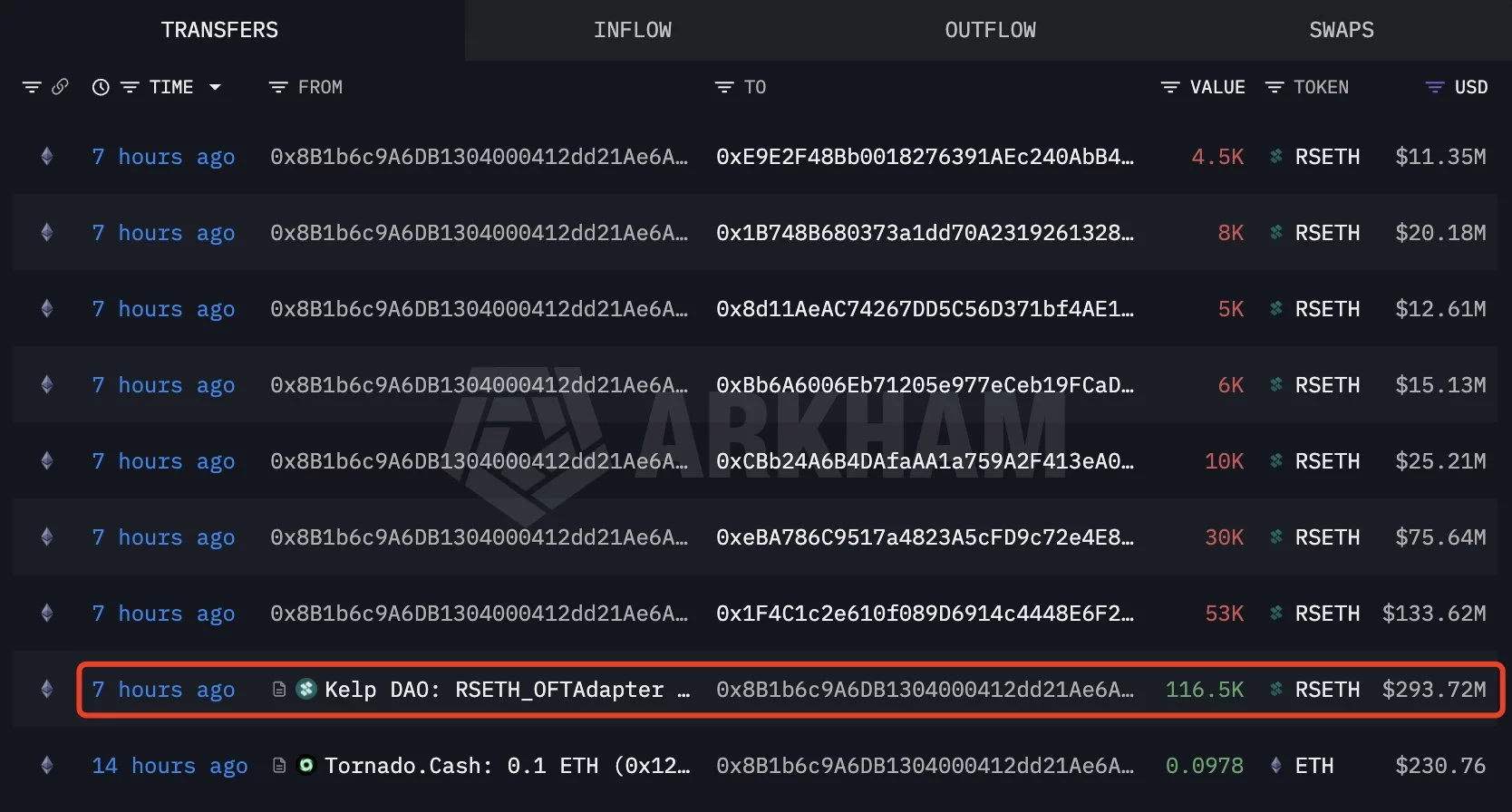
rsETH Although the markets were frozen when the attack was noticed, Lookonchain found that 116,500 RSETH ($294 million) was printed in the process. 106,467 ETH was borrowed in exchange for tokens minted by the attacker. Kelp DAO announced that they are pausing rsETH contracts on mainnet and several L2, and they made their last announcement 5 hours ago. There is no compensation program or official statement yet on the total extent of the damage.

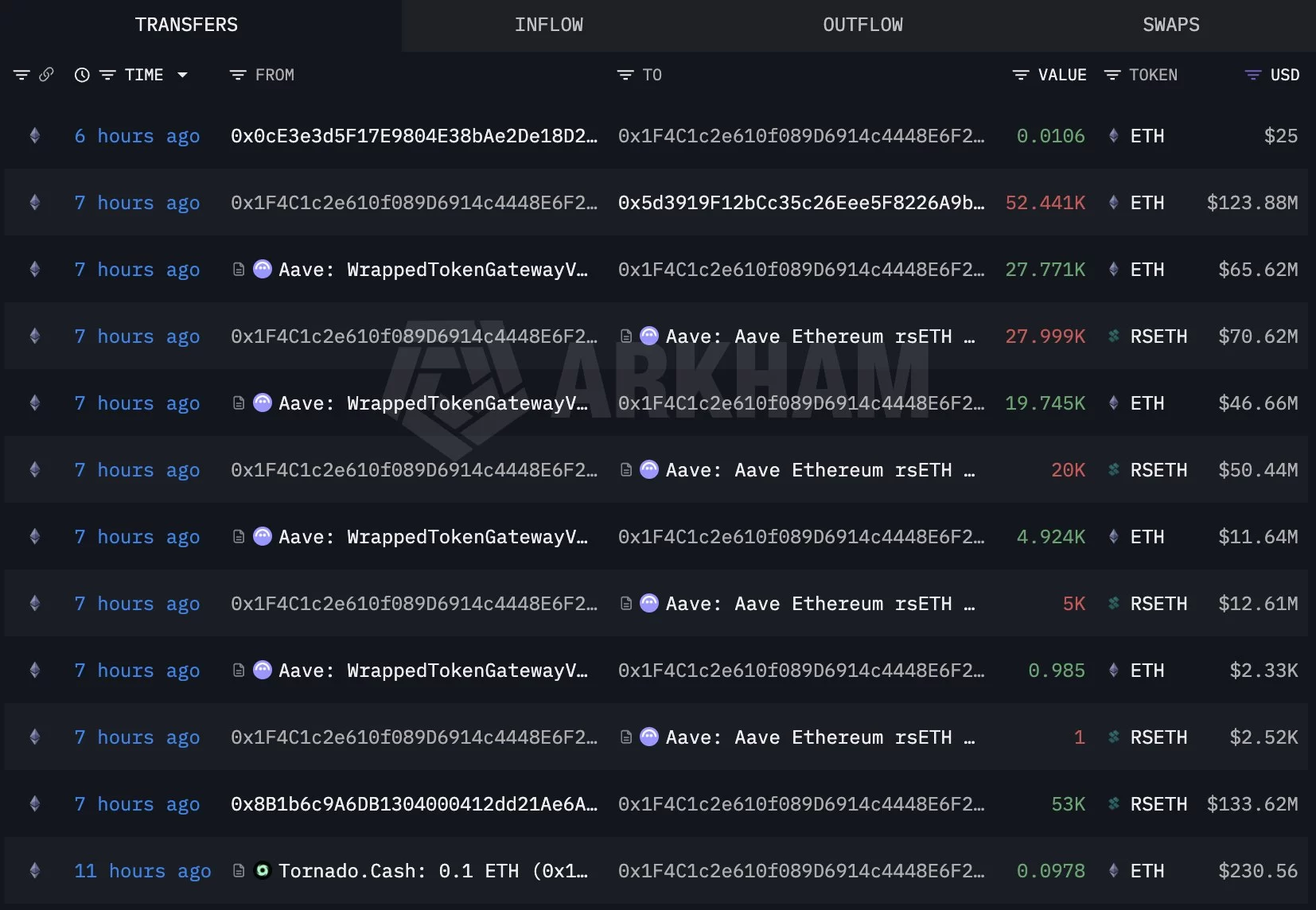
AAVE Coin drop
rsETH, the Ether restaking liquidity token, allowed investors to earn profits by depositing ETH and receiving rsETH tokens in return. The attacker found a vulnerability in the mint mechanism and was able to mint large amounts of rsETH without providing actual staking (collateral) ether. In other words, he printed money out of thin air.

He then deposited this artificial rsETH into Aave V3 as collateral and received real money in return. ETH With stablecoins borrowed. Aave accepted this without any problems because it was a listed token and there were no apparent problems. When Aave wanted to liquidate the positions, the collateral was worthless. The result is unpaid debt called “bad debt.” to AAVE remained. This is where ETH becomes a problem for lenders: On Aave, outstanding losses are shared among all liquidity providers via the Safety Module. If losses exceed this buffer (liquidity cushion), lenders absorb the difference by diluting the assets they lent out. This is exactly why AAVE fell by double digits after the attack was revealed.
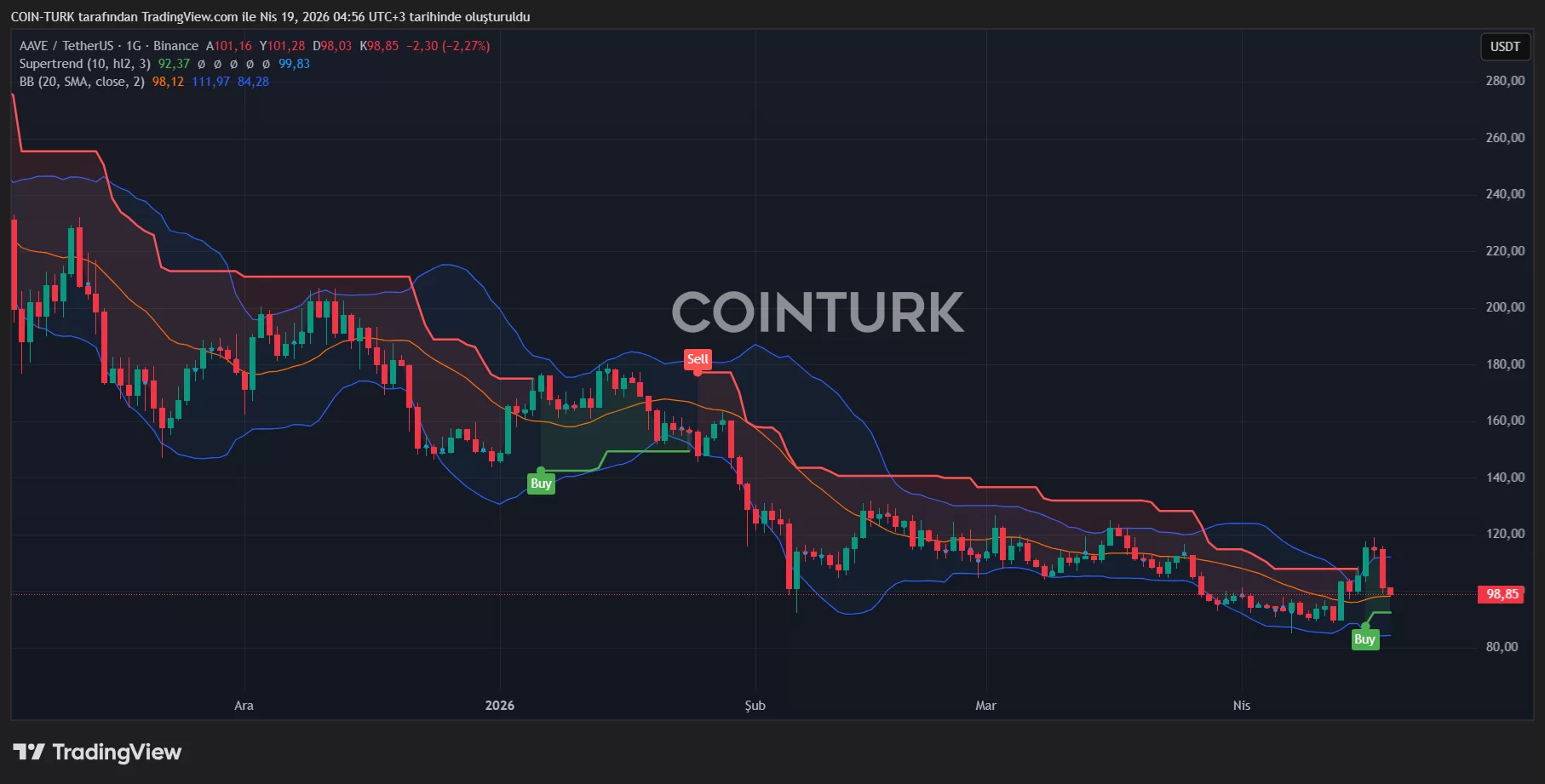
AAVE, which lost the $100 threshold due to both general market sentiment and largely the impact of the hack, is now approximately 15% below its April 17 peak. If the sales continue, it may fall to the $94-88 range in the coming hours.
05:05 Update: Aave Multisig Guardian freezes WETH in credit markets.