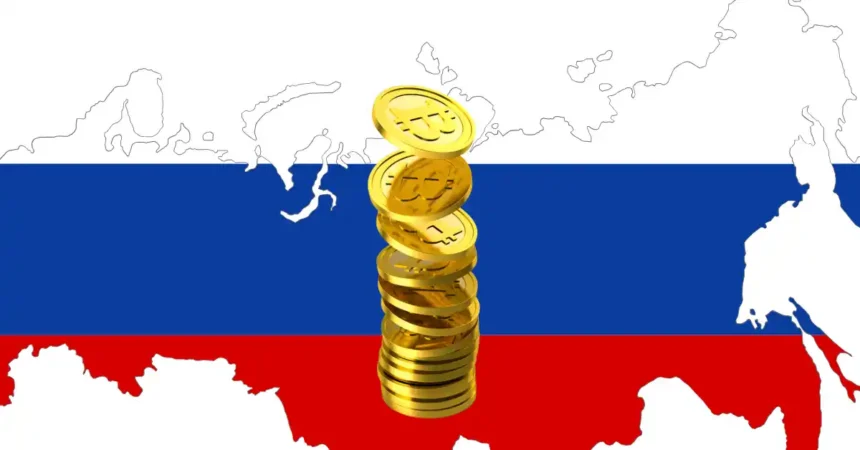
Russia’s central bank is reassessing its previous opposition to stablecoins, signaling a potential shift in digital currency strategy. First Deputy Chairman Vladimir Chistyukhin confirmed that the Bank of Russia will conduct a formal study into the feasibility of launching a domestic stablecoin. While this does not mean immediate approval, it marks a significant policy rethink.
Previously, Moscow rejected centralized stablecoin models due to financial stability and regulatory risks. Now, officials argue that global developments, particularly in the United States and European Union, justify a renewed evaluation. Stablecoins have evolved from niche crypto tools into key infrastructure for payments, trading, and cross-border settlements. Ignoring them could leave Russia at a strategic disadvantage.
How Russia Could Approach a Domestic Stablecoin
If pursued, a Russian stablecoin would likely be structured with sovereign oversight and regulated reserves. The goal would not simply be to create another crypto token, but to design a state-aligned digital asset capable of supporting trade and financial settlement outside traditional Western-controlled systems.
The shift is partly influenced by the rapid regulatory progress in the US and EU. The United States’ GENIUS Act formalized strict rules for dollar-backed stablecoins, strengthening their legitimacy in global finance. Meanwhile, Europe’s digital euro initiative and MiCA-compliant euro stablecoins aim to secure regional monetary sovereignty.
Faced with these developments, Russia may see a domestic stablecoin as a defensive move to maintain control over its monetary ecosystem and reduce reliance on foreign-issued digital currencies.
What Impact Could This Have on Crypto?
Russia’s entry into the regulated stablecoin arena could have meaningful implications for the broader crypto market. First, it would reinforce the idea that stablecoins are becoming core financial infrastructure rather than speculative instruments. More sovereign-backed or state-aligned stablecoins could accelerate the institutionalization of digital assets.
Second, it may increase fragmentation in the stablecoin market. Instead of dollar dominance alone, regional digital currencies could compete for cross-border settlement flows. This could reshape liquidity patterns in crypto exchanges and decentralized finance platforms.
Finally, the geopolitical dimension cannot be ignored. If sanctions pressure is driving this reconsideration, stablecoins may increasingly be viewed as tools of monetary sovereignty. That could push other nations to explore similar initiatives, intensifying the global race to control digital payment rails.
For now, Russia remains in the exploratory phase. However, even studying the concept reflects how stablecoins are rapidly becoming central to the future structure of global finance and crypto markets alike.
Trust with CoinPedia:
CoinPedia has been delivering accurate and timely cryptocurrency and blockchain updates since 2017. All content is created by our expert panel of analysts and journalists, following strict Editorial Guidelines based on E-E-A-T (Experience, Expertise, Authoritativeness, Trustworthiness). Every article is fact-checked against reputable sources to ensure accuracy, transparency, and reliability. Our review policy guarantees unbiased evaluations when recommending exchanges, platforms, or tools. We strive to provide timely updates about everything crypto & blockchain, right from startups to industry majors.
Investment Disclaimer:
All opinions and insights shared represent the author’s own views on current market conditions. Please do your own research before making investment decisions. Neither the writer nor the publication assumes responsibility for your financial choices.
Sponsored and Advertisements:
Sponsored content and affiliate links may appear on our site. Advertisements are marked clearly, and our editorial content remains entirely independent from our ad partners.