oil price fell, but nothing changed for March inflation because the ceasefire was reached this week. Energy prices were the most important item affecting last month’s inflation, and annual inflation increased by approximately 1%. So, what benefit will inflation, which has fallen to lower levels compared to March, provide for April? Will the Fed cut interest rates this month?
Details of the inflation report
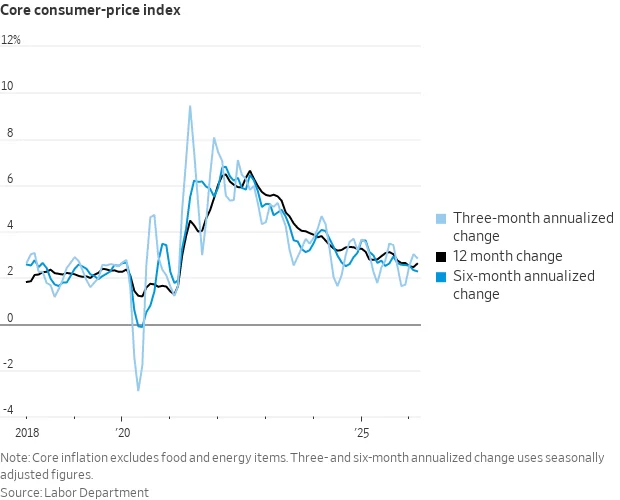
While the US Consumer Price Index (CPI) increased by 0.9% in March 2026 compared to the previous month, annual inflation climbed to 3.3%. The main reason for this increase was the energy price, which increased by 10.9% in total, including a 21.2% jump in gasoline prices. Core CPI (excluding food and energy prices) remained stable with a monthly increase of 0.2%, meaning that although the increase in energy prices is the main reason for the rise in inflation, we cannot say that the underlying inflationary pressure has stopped.
Price changes compared to last year (March CPI report) are as follows:
- Fuel oil +44.2%
- Gasoline: +18.9%
- Natural gas: +6.4%
- Electricity: +4.6%
- Transportation: +4.1%
- Eating out: +3.8%
- Medical care: +3.7%
- Overall CPI: +3.3%
- Housing: +3.0%
- Eating at home: +1.9%
- New vehicle: +0.5%
- Used cars: -3.2%
Fuel oil increased by 30.7% in March (the highest monthly increase since February 2000), with an increase of 11.1% in February, bringing the total annual increase to 44.2%.

Economist Nick Timiraos said the following about the current situation;
“In March, core CPI It was slightly below expectations at 0.196%. However, the results of a single month do not paint a very definitive picture. “The Fed will want to see energy prices fall (as well as greater confidence that the pass-through process is over), and the effects of energy price volatility (airfares, shipping fees) are likely to be felt further.”

Now let’s get to the point. Oil increased by 57% in March and closed the month with an increase of approximately 36%. Although the price dropped around 13% in April compared to the March closing, it gave back some of it and the decline remained at 7%. So, the increase compared to February ($73-95) decreased to 31%. Below $103 would mean that energy prices would stop rising monthly, while a loss of $73 would push annual energy price growth below 12%, pushing headline inflation back below 3%.
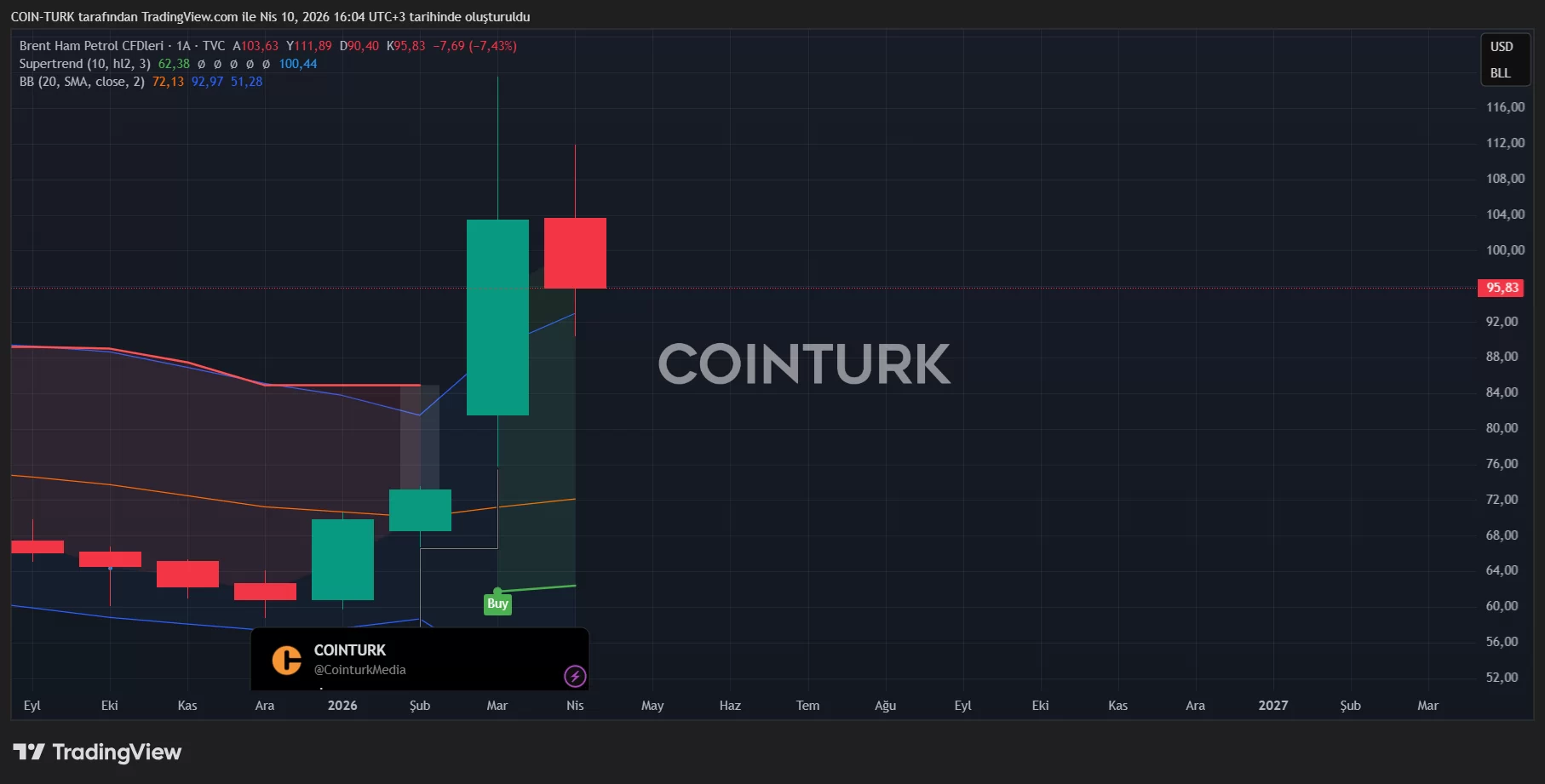
So, these are the levels we will follow, and if oil experiences the expected normalization with the success of the ceasefire, there may be a potential for the Fed to make a cut this year.
Will the Fed lower interest rates?
of oil Staying below 103 dollars slows down the increase in inflation, but cannot prevent its continuation due to its indirect effects. If oil stabilizes below $73 and the weakness in employment becomes more evident, we may see the first interest rate cut towards the end of the year, with the impact of Warsh taking office in May.
In current data, annual inflation It has increased to 3.3%. In order for the Fed to cut interest rates, it must see this annual figure creep back towards 2.5% or below. Sudden jumps like the one in March keep the Fed in “wait and see” mode, causing it to postpone interest rate cuts. 2.5% is an important threshold for base effect and balancing of annual data.
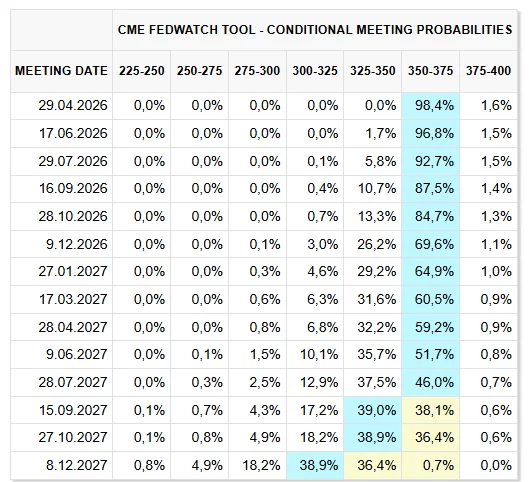
Investor expectations on FedWatch this year interest discount He says the probability is still below 40%.