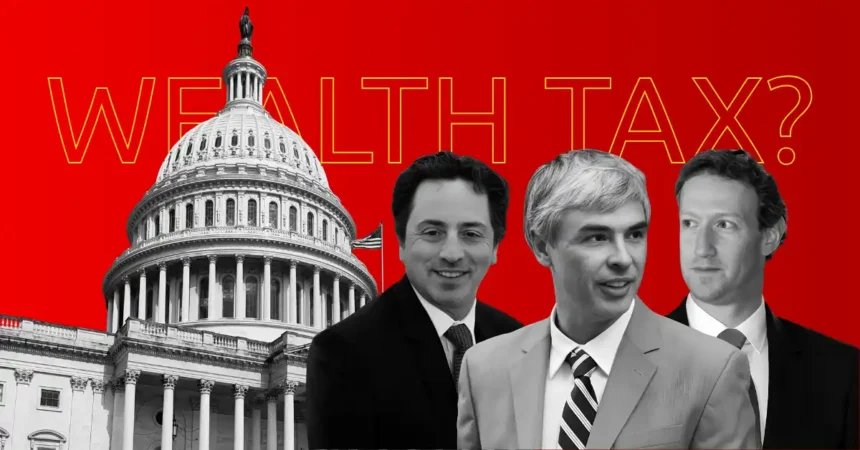
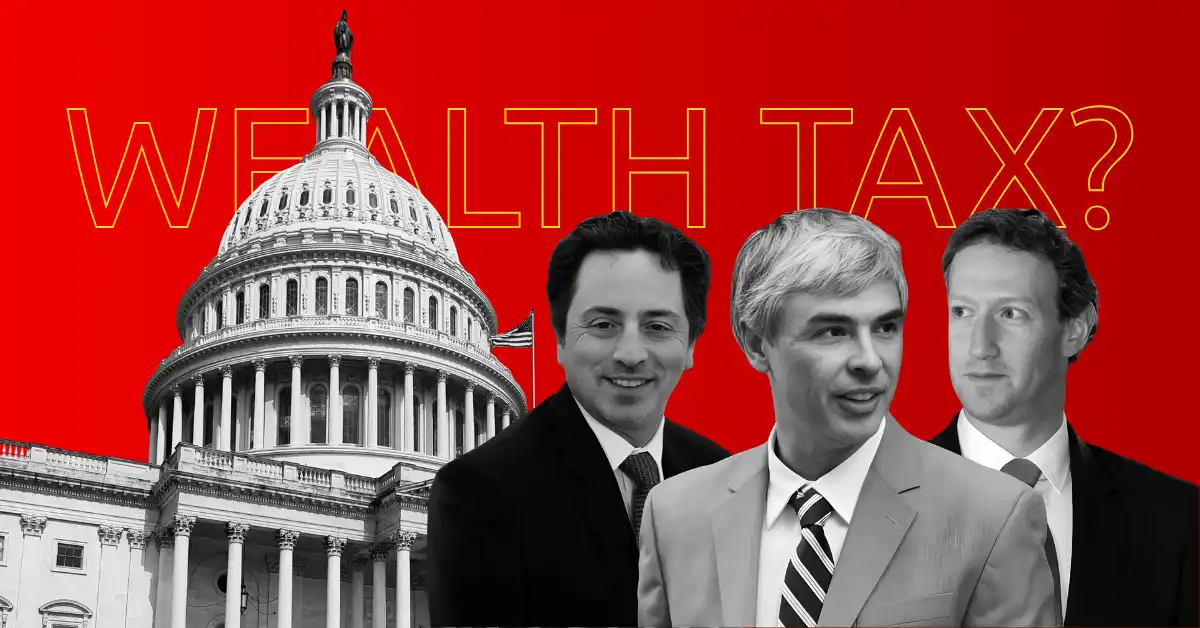
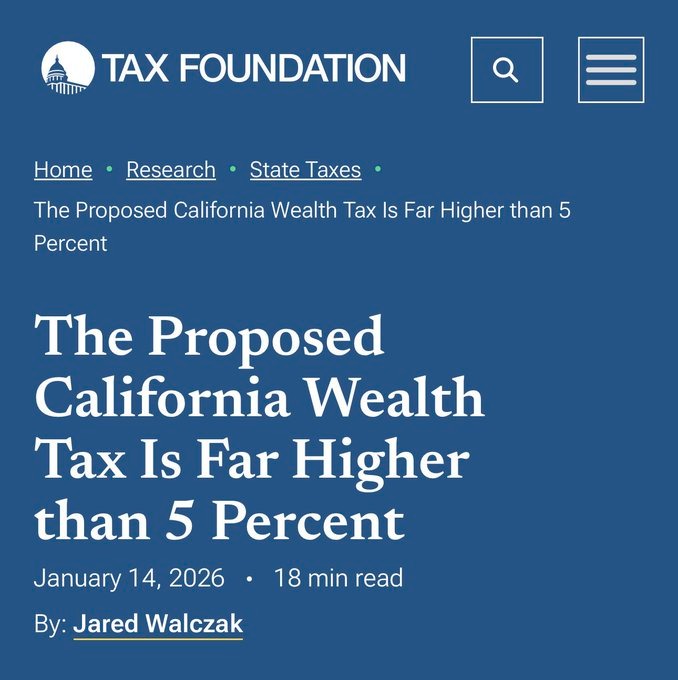
California, which generates about $4.1 trillion and contributes over 14% of the U.S. GDP, is back in the spotlight. A new proposal called the 2026 Billionaire Tax Act aims to tax the ultra-rich with a 5% levy on net worth, sparking serious debate.
However, the plan has raised fears of wealth leaving the state and long-term economic harm.
What the Billionaire Tax Act Proposes
As per the 2026 Billionaire Tax Act, the proposal targets around 200 California residents with net assets of $1 billion or more. Backed by the healthcare union SEIU-UHW, the plan aims to raise nearly $100 billion.
However, the funds would support healthcare, education, and food programs as federal funding faces possible cuts.
The proposal is backed by labor groups and includes a controversial tax on unrealized wealth, meaning individuals could be taxed even if they have not sold assets.
Supporters argue that ultra-wealthy individuals should contribute more during times of economic pressure. They believe the tax could help reduce inequality and protect essential public services.
Why Tech Leaders Are Worried
The biggest concern comes from the tax structure itself. The proposal includes a tax on unrealized gains, meaning billionaires could be taxed on wealth they have not sold or turned into cash. It also includes retroactive rules, which critics say create fear and legal uncertainty.
Many founders warn that this could force them to sell company shares just to pay taxes. This could reduce their control over businesses they built and disrupt long-term innovation.
Early Signs of Wealth Leaving California
Even before the proposal reaches the June 2026 deadline, its impact is already showing. Reports suggest that major tech figures like Larry Page, Sergey Brin, and Peter Thiel have moved, or plan to move, to Florida and Texas, where taxes are lower.
Because of this, billions of dollars may already be leaving California. Many worry the state could lose tax money instead of gaining it. Critics like Naval Ravikant and Governor Gavin Newsom say the tax could push talent away and hurt the economy.
Early polls show 53% support, but support drops to 41% once people learn it taxes unrealized wealth and voting shares.
Trust with CoinPedia:
CoinPedia has been delivering accurate and timely cryptocurrency and blockchain updates since 2017. All content is created by our expert panel of analysts and journalists, following strict Editorial Guidelines based on E-E-A-T (Experience, Expertise, Authoritativeness, Trustworthiness). Every article is fact-checked against reputable sources to ensure accuracy, transparency, and reliability. Our review policy guarantees unbiased evaluations when recommending exchanges, platforms, or tools. We strive to provide timely updates about everything crypto & blockchain, right from startups to industry majors.
Investment Disclaimer:
All opinions and insights shared represent the author’s own views on current market conditions. Please do your own research before making investment decisions. Neither the writer nor the publication assumes responsibility for your financial choices.
Sponsored and Advertisements:
Sponsored content and affiliate links may appear on our site. Advertisements are marked clearly, and our editorial content remains entirely independent from our ad partners.